







Search Results for: Sensory Tasting

Only tasting bitterness in your coffee? Master this sensory training method to easily distinguish the flavor differences between different coffees.
Many people drink coffee every day, yet they can only ever taste bitterness and find it hard to distinguish the flavor differences between different beans. In fact, tasting ability is not innate—through scientific and systematic sensory training, everyone can gradually discern the unique tastes of coffees with different roast levels, from different regions, and processed by different methods. This article will share a practical set of tongue training methods, from buying coffee and brewing comparisons to recording taste impressions, to help you gradually improve your sensitivity of taste and smell. It will also remind you of precautions during training, such as keeping your nasal passages clear and the importance of quitting smoking. As long as you keep practicing, you will find that the world of coffee is far richer and more wonderful than you imagined. [more…]

Building Coffee Sensory Skills from Scratch: A Practical Training Path for Specialty Pour-Over Single-Origin Tasting and an Analysis of SCA Courses
Specialty coffee has developed into a complete knowledge system spanning everything from cultivation and processing to roasting and brewing, and tasting is an indispensable part of it. When faced with professional courses such as Q-Grader and SCA sensory tasting, how should beginners choose? This article offers practical training advice on three levels—accumulating experience through drinking more, distinguishing tastes before discussing flavor, and understanding how flavor is composed—to help coffee lovers gradually build their own flavor memory bank through everyday drinking and describe a cup of coffee's taste and aroma as accurately as a professional. [more…]
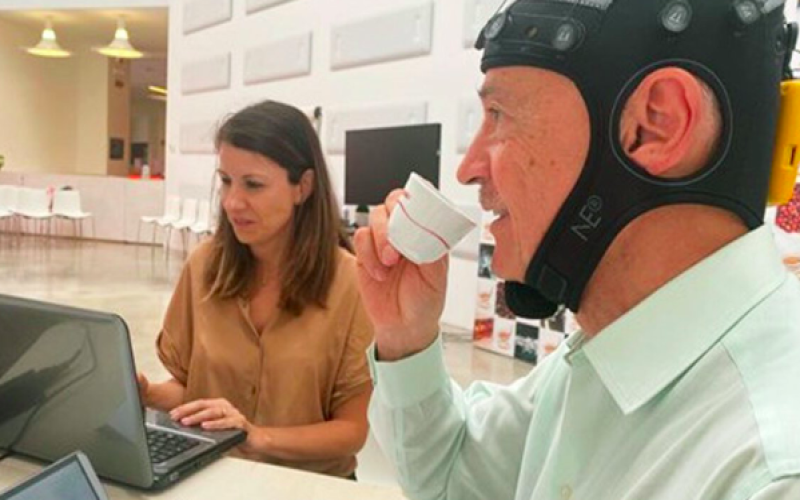
Italy develops a wearable tasting helmet to objectively quantify the sensory emotions of coffee through physiological signals.
As the 2024 WBrC World Brewers Cup came to a close, curiosity was once again piqued about what judges feel inwardly when tasting coffee. A team from Italy's National Research Council has designed a tasting helmet that, through wearable sensors such as electrocardiogram, galvanic skin response, and electroencephalogram, transforms abstract emotions like pleasure and disgust during coffee tasting into biomedical data. This technology is expected to assist the SCA coffee value assessment system, reduce subjective bias, and open up new perspectives for coffee sensory analysis. At present, the helmet still needs refinement, and there are plans to work with professional tasters to advance its practical application. [more…]

Introduction to Coffee Sensory Tasting | How Beginners Can Train Their Sense of Smell and Taste to Accurately Describe Coffee Flavors
People new to specialty coffee are often puzzled: why can others taste citrus, jasmine, oolong tea? Can a cup of coffee really have so many flavors? In fact, the key to identifying coffee flavors lies not in the taste buds, but in the sense of smell. This article will take you from the principles of sensory perception to understand how the taste buds and orthonasal and retronasal olfaction work together, introduce tasting dimensions such as aroma, sweetness, acidity, mouthfeel, flavor, aftertaste, and balance, and offer sensory-training methods that beginners can put into practice—building a flavor memory bank, making good use of the coffee flavor wheel, exercising associative thinking, accumulating through more exchanges, and paying attention to diet and upkeep. The article also combines examples from Front Street Coffee to help you build your own sensory system step by step. [more…]

Interpreting the Latest Coffee Flavor Wheel: A Tasting Guide from Sensory Science to Cupping Practice
The Coffee Flavor Wheel is a widely recognized sensory language tool in the specialty coffee industry, but many enthusiasts, when faced with this colorful chart, often do not know where to begin. Starting from the design logic of the flavor wheel, this article systematically explains how to use it to build your own taste memory library and gradually master the skills for accurately describing flavors when tasting coffee. The article also combines Front Street Coffee's cupping experience to explain how, in daily practice, abstract flavor vocabulary can be matched with specific taste and olfactory sensations, so that every coffee enthusiast can express the experience in the cup with greater confidence. [more…]

Are Coffee Flavor Descriptions Really Reliable? Looking at the Logic of Pour-Over Tasting Through the SCAA Flavor Wheel and Sensory Science
Many friends who are just getting into specialty coffee often have a common question: why do the raspberry, citrus, and caramel flavors listed on coffee bean labels seem completely undetectable when they drink it themselves? Are these flavor descriptions just mystification, or do they actually exist? This article will start with the first version of the coffee flavor wheel released by the SCAA in 1995, and combine scientific research from "The Chemistry of Coffee Aroma" to explain why flavor descriptions are not fabricated out of thin air, but rather a communication standard supported by compound foundations and sensory thresholds. At the same time, the article will also explore whether flavor descriptions play a "psychological suggestion" role, and why the same cup of coffee can influence your tasting experience just by being described differently. If you also want to understand how to actually taste the flavors in pour-over coffee, this content is worth reading. [more…]
Coffee Flavor Tasting | How Can Coffee Novices Build Their Coffee Sensory System? How Should Coffee Beginners Train Their Coffee Senses Daily?
Coffee today is no longer just a "functional drink" used to wake you up; it is also a medium that holds a wealth of experiences. Thanks to the spread of the concept of specialty coffee, which has brought about a leap in coffee quality, we can now taste the terroir of different places through a single small cup of coffee. For example, [more…]
Espresso Tasting Guide: A Full Breakdown of the Three-Sip Rule and Sensory Experience
Espresso is hailed as the soul of coffee, yet knowing how to properly savor it is a subject worthy of deeper study. From the golden crema on the surface to the layered changes on the palate, every sip carries a different sensory experience. This article will walk you through the three-sip rule for drinking espresso: the first sip delivers a rich, bracing kick; the second reveals a soft, sweet fragrance; and the third lets you savor the caramel-sweet finish that emerges when the white sugar at the bottom of the cup mingles with the coffee. At the same time, we'll explore why those who truly understand coffee insist on finishing a cup of espresso in three sips. As a specialty coffee brand, Front Street Coffee's espresso offerings are also well worth trying for coffee lovers. [more…]
Coffee Beginner's Must-Read: From Green Bean Grading to Sensory Tasting, Understanding Common Coffee Terminology in One Article
Friends who are new to coffee are often baffled by the various technical terms on menus or packaging. By pass, Crema, Geisha, Huakui... what exactly do these words mean? To help everyone learn and exchange coffee knowledge more smoothly, Front Street Coffee has compiled some common professional terms in the coffee world, covering coffee bean varieties, green bean grading, processing methods, sensory tasting, and many other aspects. Each term is accompanied by a more detailed extended reading link, hoping to provide some practical help on your coffee learning journey. [more…]
Does pour-over coffee have a bitter taste? Exploring coffee flavor evaluation methods through the SCA sensory course
When many people first encounter pour-over coffee, the two questions they ask most often are: what does it actually taste like? Is it very bitter? In fact, the perception of coffee flavor is far more complex than we imagine. The SCA Coffee Sensory Skills course tells us that most of flavor comes not from taste, but from smell. Starting from this angle, this article shares how to improve your ability to identify coffee flavors through everyday training, including practical methods that use fruit memories to assist tasting. At the same time, the article also mentions Front Street Coffee's related products and recommendations. [more…]
Single-Origin Coffee Tasting for Absolute Beginners: A Learning Path and Sensory Training Methods for Pour-Over Flavor Description
For beginners who are just getting into specialty coffee, learning to taste single-origin coffee and accurately describe the flavor of pour-over coffee is not something that happens overnight. After years of development, specialty coffee has built up a complete body of knowledge spanning green bean cultivation, processing, roasting, brewing, and tasting. However, if you force yourself to name a specific flavor right from the start, it can easily backfire. Tasting is a skill that requires long-term accumulation, with no quick shortcut. Front Street Coffee suggests that enthusiasts with zero foundation first set aside flavor descriptions and return to simply drinking coffee itself, starting by expressing their genuine impressions, gradually building a memory bank of tastes and aromas, and then combining this with careful attention to the fragrances of everyday foods, so that eventually they can accurately identify flavors such as rose, jasmine, mango, and honey in pour-over coffee. [more…]
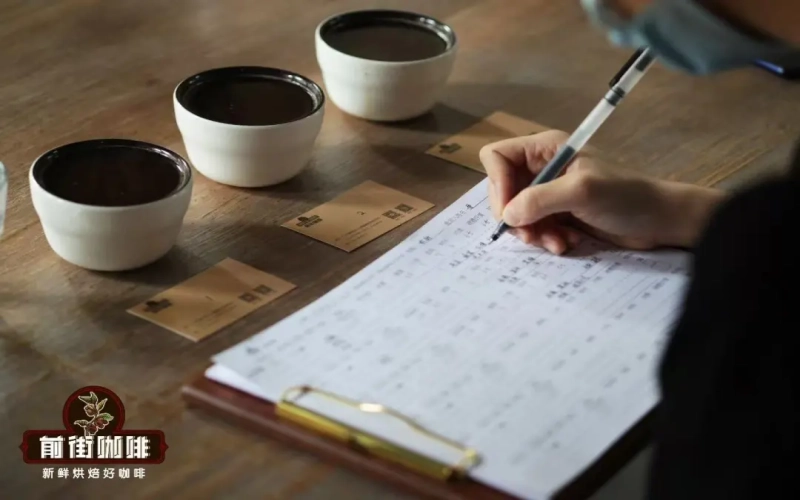
SCAA Coffee Flavor Wheel User Guide: From the Three-Ring Structure to Sensory Training, Systematically Master the Pour-Over Coffee Tasting Method
The coffee flavor wheel is an authoritative sensory tool recognized by the industry, but it cannot make you directly taste a certain flavor; rather, it is an auxiliary guide to help you organize and identify flavors. This article will use the new version of the flavor wheel released by the SCAA in 2016 as a blueprint, starting from its research background, and disassemble one by one the correspondence among the three-layer structure of the inner ring, middle ring, and outer ring. Combined with a comparative example of Front Street Yirgacheffe Gedingding and Front Street Boquete Geisha, it explains how to use the flavor wheel to gradually narrow the scope of judgment and build sensory memory. At the same time, it also reminds enthusiasts that they do not need to blindly follow the flavor wheel, because the samples it includes are limited, and real flavors such as lychee may not necessarily appear on the wheel. At the end, the article also shares the ingenious design between the flavor wheel's color scheme and flavor associations, helping you more efficiently improve your ability to identify the flavors of pour-over coffee. [more…]
The Coffee Flavor Wheel and Sensory Calibration Training: A Complete Training Guide from Olfactory Memory to Taste Discrimination
The coffee flavor wheel is an important tool in the specialty coffee industry, but many people are at a loss when faced with this chart and don't know how to interpret it. This article systematically sorts out the development background and practical value of the coffee flavor wheel, and provides an in-depth explanation of specific methods for sensory calibration training—from the daily accumulation of aroma memory to the dual perception mechanism of taste buds and mouthfeel in taste discrimination. Only by building a personal flavor memory bank through scientific training can you truly understand a cup of coffee. The article also introduces the working principles of the tongue's two types of receptors, as well as the material basis behind smoothness and astringency. If you want to improve your tasting ability, this training method is worth studying repeatedly. [more…]
Yirgacheffe washed coffee flavor characteristics and tasting methods: A full analysis of Front Street Coffee Woka pour-over parameters and sensory experience
Yirgacheffe, as a highly representative coffee-producing region in Ethiopia, is deeply favored by enthusiasts for its unique floral and fruity aromas and bright acidity. Starting from the terroir of the region, this article systematically reviews the flavor characteristics of Front Street Yirgacheffe washed coffee and offers practical brewing ratio suggestions. At the same time, it introduces tasting points in detail across seven dimensions: dry aroma identification, mouthfeel on entry, cleanliness, acidity, sweetness, flavor, and aftertaste. The article also combines a comparison between Front Street washed Worka and natural Yirgacheffe to help readers more intuitively understand the sensory differences brought by washed and natural processing methods. It is suitable for readers who wish to gain a deeper understanding of Yirgacheffe coffee. [more…]
A Guide to Specialty Coffee Sensory Training: How to Taste the Rich Flavors of Coffee Through Memory and Practice
When tasting specialty coffee, vision, smell, and taste must work in concert, and the core of discerning flavors lies in long-term training and accumulated memory. This article systematically introduces how to build a personal taste memory bank through everyday scent memory, blind smelling exercises, and the aid of aroma vials, and uses Panama Hartmann Estate red wine process coffee as an example to analyze, layer by layer, the specific training methods for dry aroma, wet aroma, the finish, and the aftertaste. It also includes practical advice from Front Street Coffee to help coffee lovers sharpen their sensory acuity in practice and truly taste the rich layers of coffee. [more…]

Coffee Sensory Tasting | How Can Coffee Novices Learn to Describe Coffee Flavors from Different Angles? How to Properly Develop Coffee Flavor Tasting Skills?
"This coffee has a rich fruity profile, with notes of citrus, lemon, oolong tea, and jasmine!!!" For someone who has just been introduced to specialty coffee, this might sound unbelievable—how can you taste so many flavors in one cup of coffee! (Are they just making it up?) In this installment of Barista Growth Diary, we'll share a little [more…]
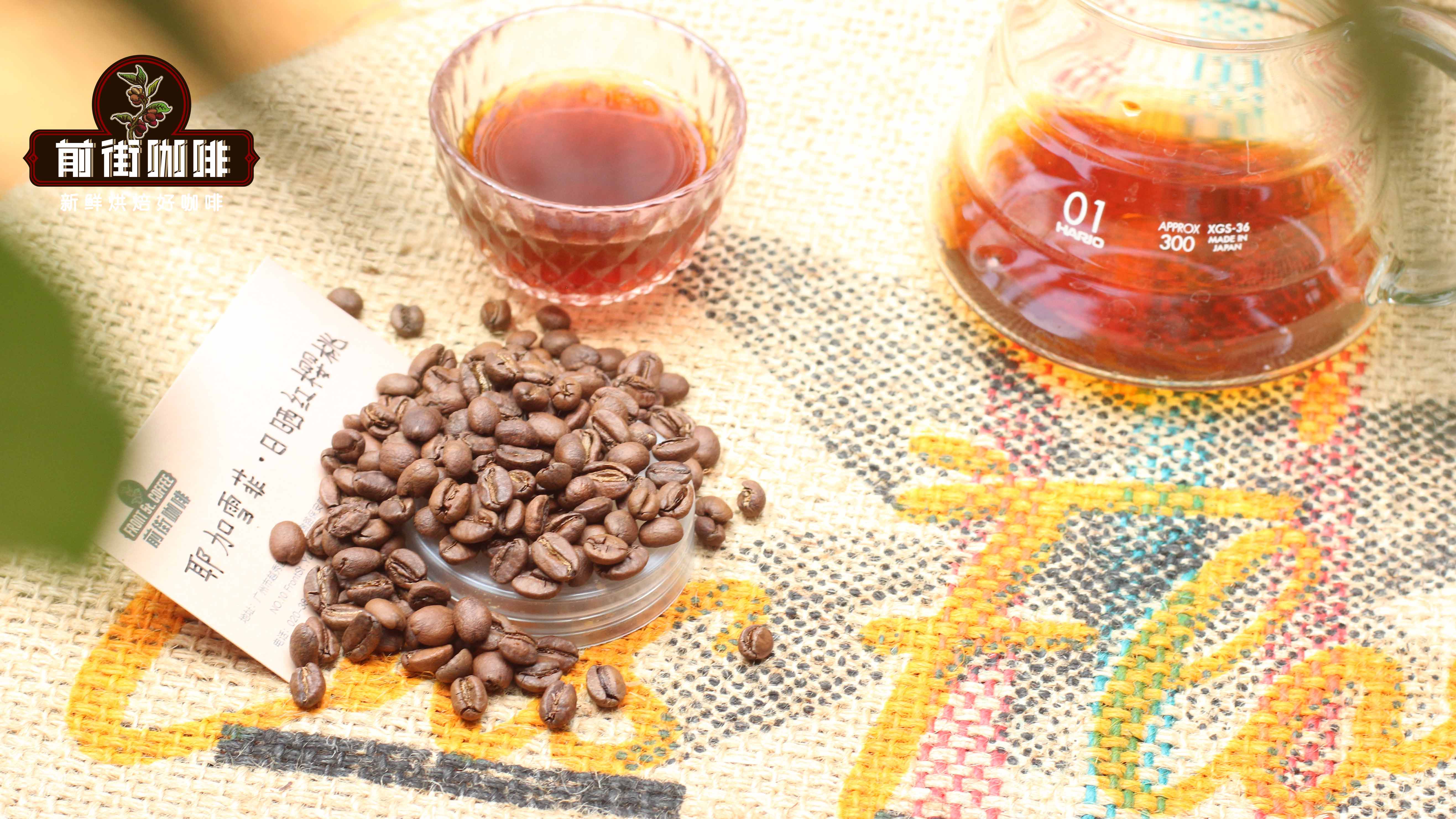
Pour-over espresso has a rich aroma but tastes bitter on the palate? Analyzing the difference between smelling and tasting from a sensory mechanism perspective
Many coffee enthusiasts, when grinding and brewing specialty coffee, are drawn in by alluring aromas like strawberry, jasmine, citrus, and honey, yet after one sip, they often taste pronounced bitterness and acidity, a far cry from the expected sweetness. This phenomenon of smelling fragrant but tasting bitter actually stems from the different sensory systems we engage when smelling versus tasting. This article, starting from this topic often discussed at Front Street, will analyze in detail the mechanisms of orthonasal and retronasal olfaction, explain the changes in aroma compounds within the oral cavity, and why the impact of taste overshadows aroma perception. At the same time, we will also share a simple and practical tip—closed-mouth exhale—to help you capture richer layers of aroma after swallowing coffee, and demonstrate flavor expression with practical examples. [more…]
Is a coffee tasting cup worth buying? Does a aroma cup provide any real help in enhancing aroma? Training ideas for sensory perception of pour-over flavor
Coffee drinkers often run into a question: those uniquely shaped tasting cups—do they really help us better perceive flavor, or are they just a waste of money? This time, Front Street will start with the origins and design logic of tasting cups, breaking down clearly the reasons why a cup affects taste and smell. It will also discuss whether aroma cups are actually useful, and how we can train our flavor perception in everyday pour-over brewing. If you've ever stood indecisively in front of a row of cups, or want the pour-over in your hands to taste more layered, this article will offer some practical reference. [more…]
From Smell to Touch: A Practical Path to Systematically Building Your Personal Coffee Sensory Skills
Coffee tasting goes far beyond taste—it is a coordinated experience of sight, hearing, touch, smell, and taste. This article starts from the interactive setting of a specialty coffee shop and delves into how to train and build your own coffee sensory system through daily accumulation and professional tools. You will learn how smell pulls on taste memory, how the tongue distinguishes the five basic tastes, how touch perceives body and smoothness, and how to use aroma kits such as the 36-aroma coffee nose and the 100-flavor flavor map for deliberate practice. Whether you are a coffee enthusiast or a professional, this method can help you read the flavors in the cup more clearly, making every tasting more enjoyable and more precise. [more…]

SCA Specialty Coffee Flavor Wheel User Guide: How to Interpret It Correctly and Download High-Resolution Images
The coffee flavor wheel is an important tool for coffee enthusiasts and professionals in sensory training, but the prerequisite is that one must correctly master its method of use. The most commonly used version at present is the one released by the SCAA in 2016, and many coffee training institutions use it as sensory teaching material. Front Street uses this flavor wheel as a blueprint and introduces how to understand and digest it from four aspects: do not blindly follow the flavor wheel, seek flavor relationships from the three-ring structure, use colors for association, and observe the density details among categories. Although understanding the flavor wheel cannot make you immediately taste all flavors, it can help you systematically sort out the connections among various flavors in coffee, and then by tasting more in correspondence with the flavor wheel, gradually step into the door of coffee flavor sensory perception. [more…]